
Did You Know Your
Microbiome Starts with the Bacteria in Your Mouth?
Your mouth is home to trillions of bacteria. A healthy balance of oral bacteria helps support strong teeth, healthy gums, fresh breath, and overall wellbeing.
Mouth bacteria are connected to your whole body. Research continues to explore the connection between oral bacteria and areas of overall health including the heart, gut, immune system, and inflammation throughout the body.
A Preventive & Holistic Approach to Your Oral Health
At Casuarina Dental, we understand that oral health is about more than just clean teeth. We take a preventive and holistic approach, focusing on the many factors that affect microbial balance in your mouth — from daily oral hygiene habits and nutrition to lifestyle choices and overall health.
By considering each of these elements, we aim to support a balanced oral environment and promote long-term oral wellbeing for every patient. Our personalised strategies are tailored to your unique needs.
Personalised Microbiome Assessment
Holistic Health Integration
Family-Friendly Environment
Preventive Care Focus
Evidence-Based Approach
Ongoing Education & Support
LEARN ABOUT YOUR MICROBIOME

━ fLEXIBLE PAYMENT OPTIONS ━
At Casuarina Dental, we offer flexible payment options to help make your first visit more accessible.
Smile now, Pay Later
Flexible payment options are available with up to 48 monthly instalments for eligible patients.
Ask our team about available options when booking your visit. Payment plans are subject to approval.
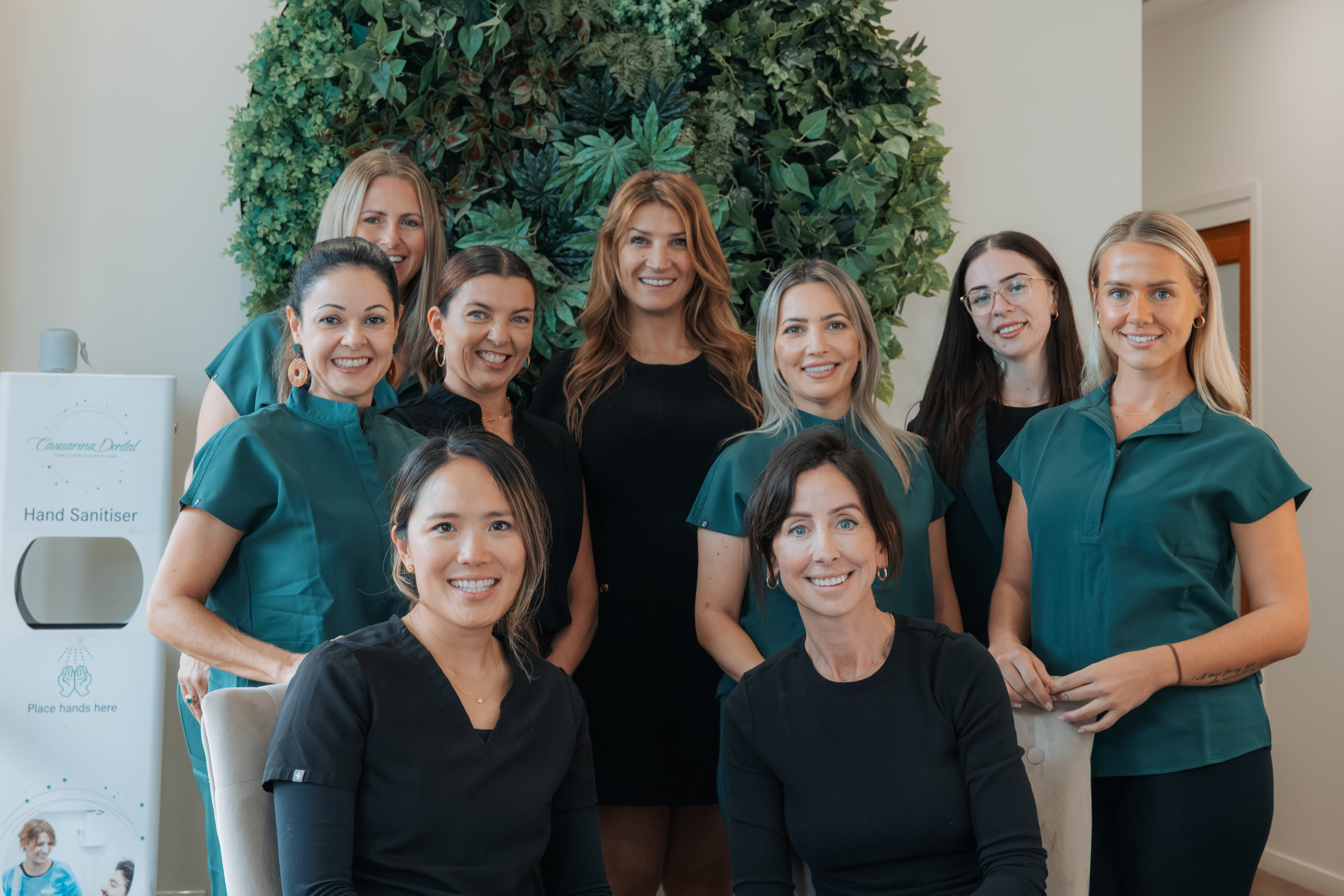
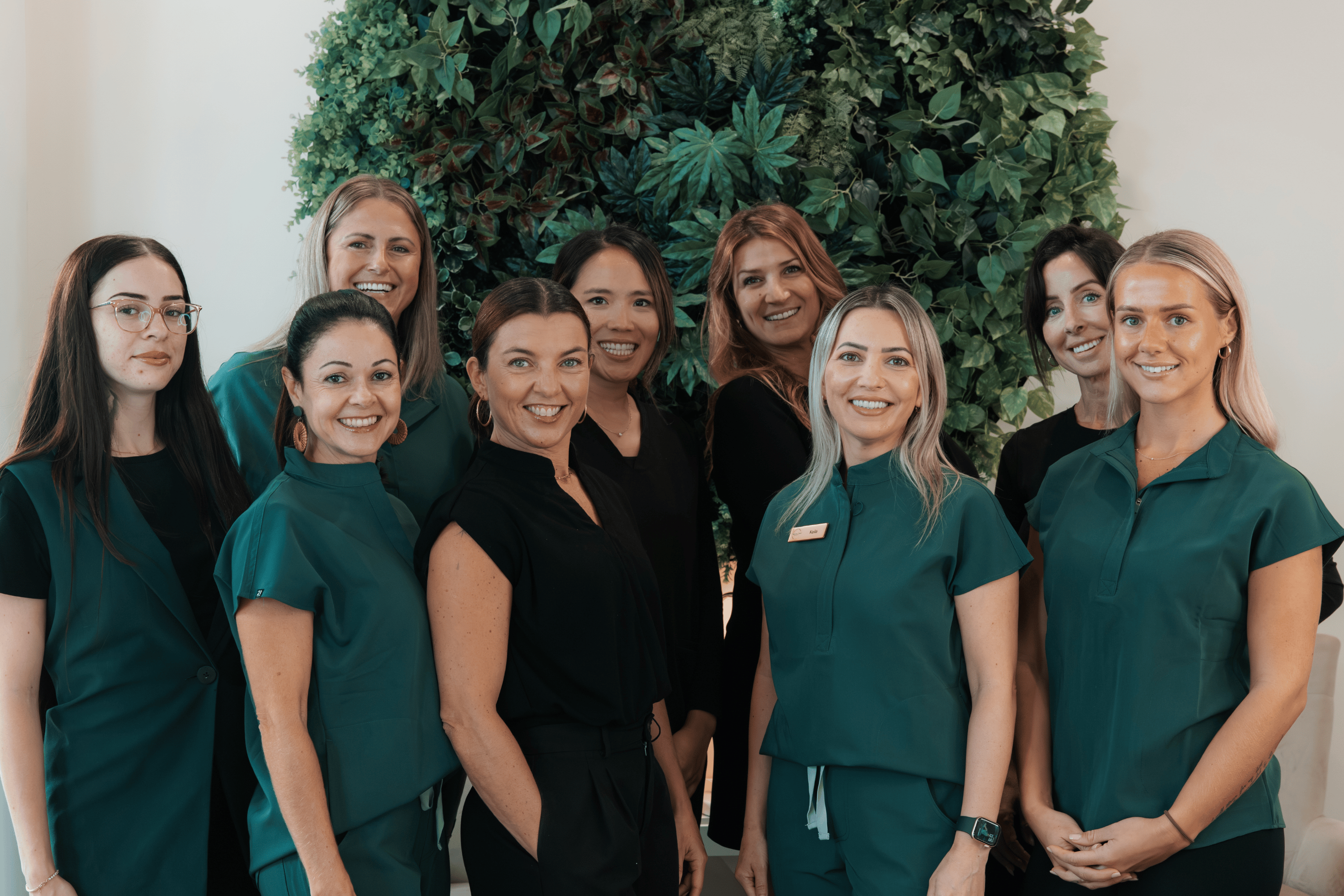
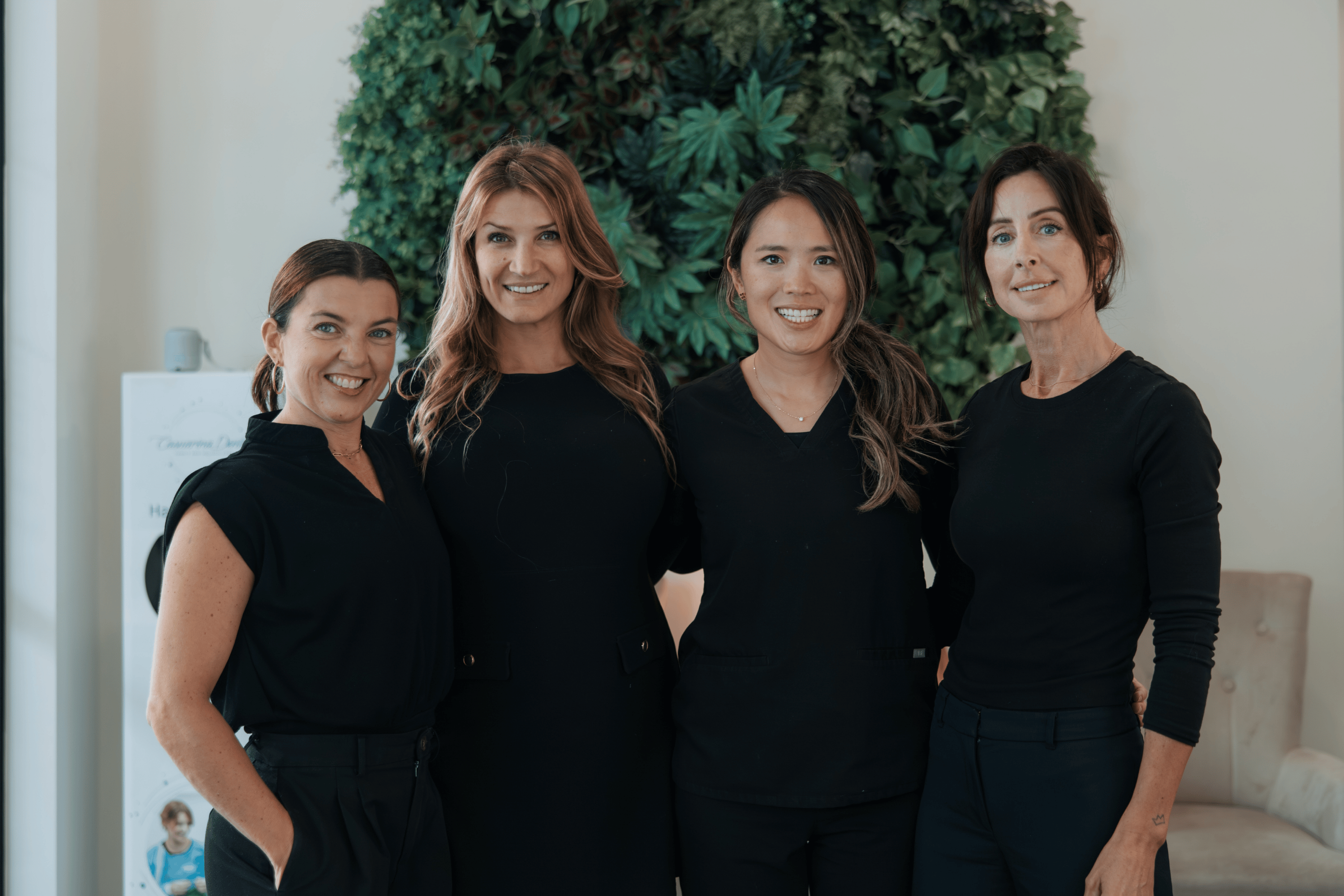
Meet the Team Looking After Your Smile
Our experienced dentists and clinical team are committed to providing comfortable, personalised care from your very first visit.

Dr Maria Florou, BDS
Founder | Dentist
Dr Maria Florou is the founder and Principal Dentist of Casuarina Dental. She is passionate about integrative dentistry and helping patients achieve long-term oral and overall health through personalised, patient-focused care.
Learn More About Dr Maria
Dr Maria Florou completed her Bachelor of Dental Science in 2000 and is the founder of Casuarina Dental. Born in Greece and raised in Brazil, she chose to pursue a career in dentistry to help people achieve their health and well-being goals.
Although she initially did not start as a holistic dentist, her early experiences in traditional dentistry motivated her to seek better ways to treat patients by focusing on the individual as a whole. Dr Florou continuously searches for the latest advancements, the least invasive procedures, and the most natural resources available. She is passionate about integrated dentistry from a holistic perspective.
Dr Maria encourages all the dentists at Casuarina Dental to adopt integrated dentistry through a holistic approach to patient care. This includes considering not only oral health but also overall health. The team stays informed about the latest advancements in traditional dentistry alongside evidence-based natural health and dental practices.
Dr Maria is also the host of the YouTube podcast @mind_your_mouth, where she shares insightful oral health information, debunks common myths, and provides practical tips to help patients improve their dental well-being.
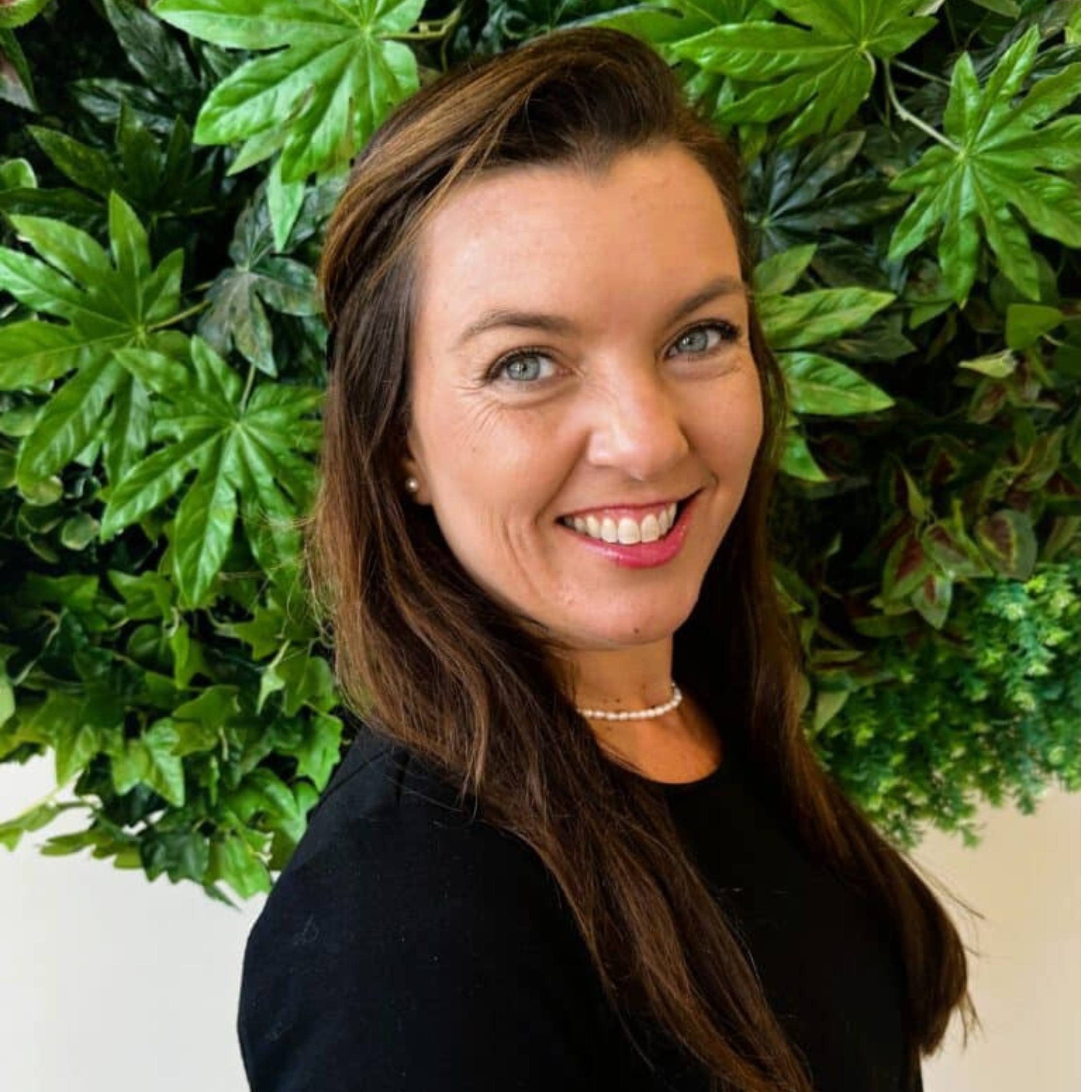
Dr Vanessa Ribas
Principal Dentist, BDS
Dr Vanessa Ribas Ferreira Schneider has over 18 years of experience and is passionate about providing gentle, personalised dental care. She enjoys all aspects of dentistry and is dedicated to helping patients achieve healthy, confident smiles.
Learn More About Dr Vanessa
Dr Vanessa Ribas Ferreira Schneider was born in Brazil, where she owned and operated her own dental practice for many years before relocating to the Gold Coast with her family.
Since moving to Australia, she has worked in private practice and has also served as a supervisor and tutor at Griffith University Dental School, helping to educate and mentor future dentists.
Passionate about dentistry, Dr Vanessa has spent the past 18 years caring for her patients with dedication and compassion. She enjoys all aspects of dentistry, with particular interests in root canal therapy and paediatric dentistry.
Areas of Interest
- General Dentistry
- Root Canal Therapy
- Paediatric Dentistry

Dr Natalia Trisna
Dentist, BDS, IAO
Dr Natalia Trisna graduated with honours from the University of Sydney and is passionate about providing holistic, personalised dental care. She offers a wide range of orthodontic and general dental treatments to help patients achieve healthy, confident smiles.
Learn More About Dr Natalia
Dr Natalia Trisna graduated with honours from the University of Sydney. During her studies, she received numerous academic awards, including the prestigious Colgate Prize for her research in paediatric dentistry, and was invited to present her findings at international conferences.
She is a Fellow of the International Association of Orthodontics (IAO) and approaches orthodontic treatment with a holistic mindset. She offers a variety of orthodontic solutions, including removable and fixed appliance therapy, Invisalign®, and traditional braces.
Dr Natalia also provides BOTOX® treatments to assist with jaw problems, nighttime grinding, migraines, and tension headaches. She is highly trained in root canal therapy, as well as crown and bridge work, and composite restorations.
Outside the clinic, Dr Natalia is a busy mother of twin girls and is actively involved in the Northern Shores community.
Areas of Interest
- Orthodontics
- Root Canal Treatment
- Crowns and Bridges
- General Dentistry
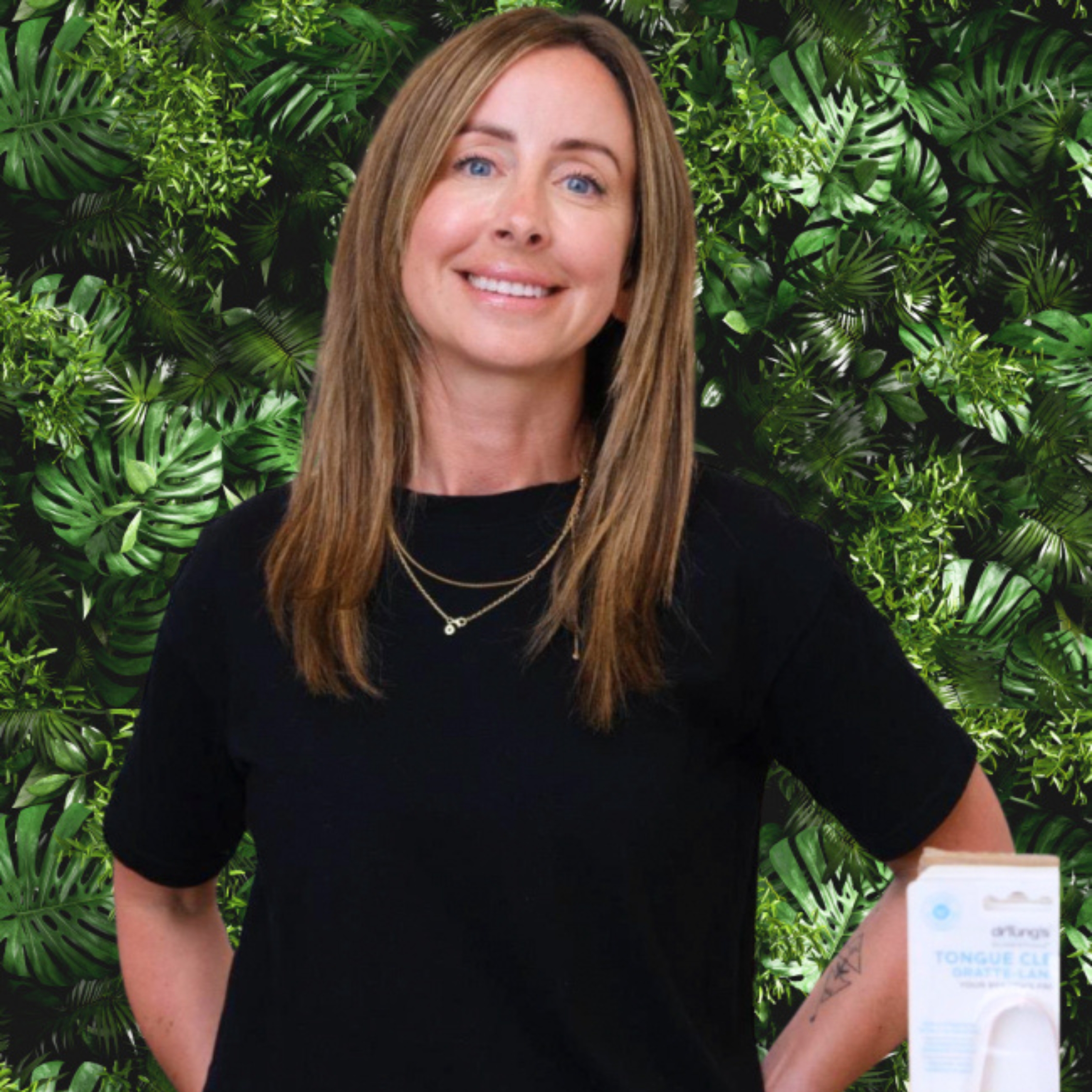
Mrs Deirdre O'Kane
Dental Hygienist
Deirdre O'Kane (Dee) is an experienced Dental Hygienist and Therapist who is passionate about preventive dentistry, the oral microbiome, and helping patients achieve lifelong oral and overall health through personalised, evidence-based care.
Learn More About Dee
Deirdre O'Kane (Dee) graduated from the University of Leeds in 2006 and has almost two decades of clinical experience. Throughout her career, she has built lasting relationships with patients through her gentle, thorough, and patient-centred approach to dental care.
Dee has a particular interest in preventive dentistry, the oral microbiome, periodontal disease, and the important connection between oral health, systemic health, and longevity. She enjoys educating patients on how a healthy mouth supports overall wellbeing and long-term health.
She also has a special interest in children's growth and development, helping families establish healthy oral habits and strong foundations from an early age. By combining evidence-based dentistry with a holistic approach, Dee tailors every treatment plan to meet each patient's individual needs and goals.
Outside the practice, Dee is a proud mum of two and a passionate athlete who enjoys maintaining an active lifestyle. Her commitment to health, wellness, and balance is reflected in the care she provides to every patient.
Areas of Interest
- Preventive Dentistry
- Oral Microbiome Health
- Periodontal (Gum) Therapy
- Children's Growth & Development
- Holistic Dental Care

Harpreet
Associate Dentist, BDS
Dr. Harpreet is a dedicated dentist committed to providing high-quality, patient-focused dental care in a comfortable and welcoming environment. She believes in helping patients achieve healthy, confident smiles through compassionate, personalised treatment.
Learn More About Dr. Harpreet
Dr. Harpreet is passionate about creating a positive dental experience for patients of all ages. She takes the time to listen to each patient's concerns, explain treatment options clearly, and deliver care tailored to their individual needs.
With a gentle and caring approach, Dr. Harpreet is committed to helping patients maintain excellent oral health while building lasting relationships based on trust, comfort, and confidence.
Understanding Your Oral Microbiome
The Oral Microbiome & Overall Wellness
Your mouth is home to over 700 species of microorganisms that form a complex ecosystem. Understanding this community is the first step toward optimal oral and systemic health.
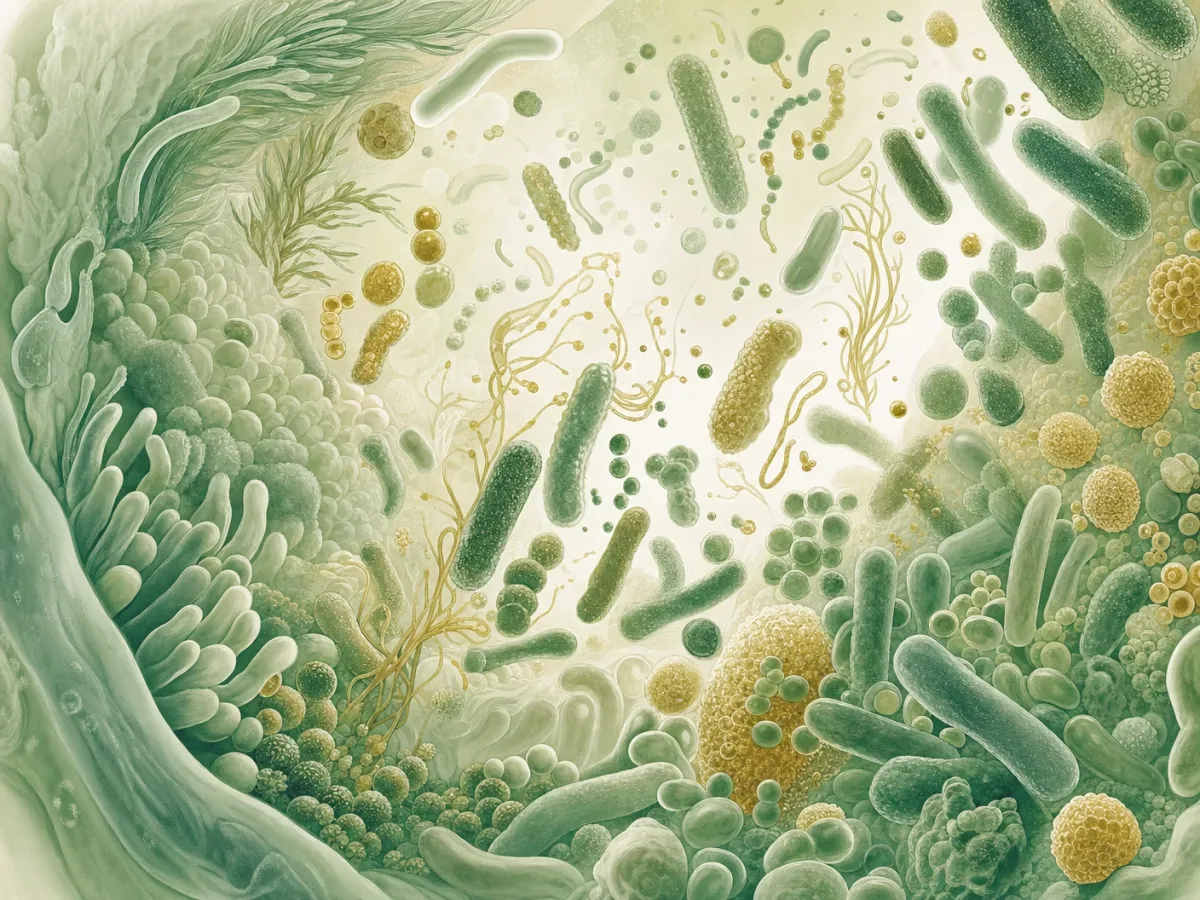
Artistic representation of the diverse microbial communities in a healthy oral environment
What Is the Oral Microbiome?
The oral microbiome refers to the community of microorganisms — including bacteria, fungi, viruses, and protozoa — that naturally inhabit your mouth. These microorganisms colonise your teeth, gums, tongue, palate, and cheeks, forming biofilms that play crucial roles in maintaining oral health.
Why Does Microbial Balance Matter?
A balanced oral microbiome supports digestion (beginning in the mouth), protects against pathogenic bacteria, helps regulate pH levels, and contributes to immune function. When this balance is disrupted — a state called dysbiosis — it can contribute to conditions such as dental caries, periodontal disease, and even systemic health concerns.
The Oral-Systemic Connection
Emerging research suggests that oral microbiome imbalances may be linked to cardiovascular health, diabetes management, respiratory conditions, and pregnancy outcomes. By supporting oral microbial health, you may also be supporting your overall wellbeing.
FROM OUR BLOG
Oral Microbiome Insights & Education
Stay informed with the latest research and practical advice on maintaining a healthy oral microbiome for you and your family.

What Is the Oral Microbiome and Why Should You Care?
READ MORE
Understanding the Oral Microbiome
The oral microbiome is one of the most diverse microbial communities in the human body. With over 700 distinct species of bacteria, fungi, viruses, and protozoa, your mouth is a bustling ecosystem that plays a critical role in your overall health. These microorganisms don't just passively exist — they actively participate in digestion, immune defence, and the maintenance of oral tissues.
How Does the Oral Microbiome Work?
In a healthy mouth, beneficial bacteria form protective biofilms on your teeth and gums. These good bacteria help break down food particles, produce enzymes that aid digestion, and create an environment that prevents harmful pathogens from taking hold. They also help regulate the pH levels in your mouth, which is essential for preventing tooth enamel erosion and cavities.
When Things Go Wrong: Dysbiosis
Oral dysbiosis occurs when the balance between beneficial and harmful bacteria is disrupted. This can happen due to poor oral hygiene, excessive sugar consumption, smoking, chronic stress, certain medications (particularly antibiotics), or a weakened immune system. When harmful bacteria dominate, they produce acids and toxins that attack tooth enamel, inflame gum tissue, and can even enter the bloodstream.
The Oral-Systemic Health Connection
Research increasingly shows that oral microbiome health is linked to conditions far beyond the mouth. Studies have connected oral dysbiosis to cardiovascular disease, diabetes, respiratory infections, adverse pregnancy outcomes, Alzheimer's disease, and certain cancers. The bacteria Porphyromonas gingivalis, commonly associated with gum disease, has been found in arterial plaques and brain tissue of Alzheimer's patients.
What You Can Do Today
Supporting your oral microbiome starts with consistent oral hygiene — brushing twice daily with a soft-bristled brush, flossing daily, and using an alcohol-free mouthwash that doesn't destroy beneficial bacteria. Regular dental check-ups allow professionals to monitor your microbial balance and catch early signs of dysbiosis. At Casuarina Dental, we provide personalised assessments and guidance to help you maintain optimal oral microbiome health.

5 Foods That Support a Healthy Oral Microbiome
READ MORE
The Diet-Microbiome Connection
What you eat directly shapes the composition of your oral microbiome. Every meal is an opportunity to either nourish beneficial bacteria or feed harmful ones. Understanding which foods support microbial balance can be one of the most powerful tools in your oral health toolkit — and it's simpler than you might think.
1. Fermented Foods: Yoghurt, Kefir & Kimchi
Fermented foods are rich in probiotics — live beneficial bacteria that can help repopulate your oral microbiome with health-promoting species. Natural yoghurt (without added sugar) contains Lactobacillus and Streptococcus thermophilus, which have been shown to inhibit the growth of cavity-causing bacteria. Kefir, kimchi, sauerkraut, and miso also introduce diverse beneficial microbes that support oral balance.
2. Crunchy Vegetables: Celery, Carrots & Cucumbers
Raw, crunchy vegetables act as natural toothbrushes. Their fibrous texture stimulates saliva production — your mouth's natural defence system — while physically scrubbing away food debris and plaque. Celery in particular contains polyphenols that have antimicrobial properties against Streptococcus mutans, the primary bacterium responsible for tooth decay. Carrots provide vitamin A, essential for maintaining healthy mucous membranes in the mouth.
3. Leafy Greens: Spinach, Kale & Swiss Chard
Leafy greens are high in fibre, which promotes chewing and saliva flow. They're also rich in calcium, folic acid, and B vitamins that support gum health and help reduce inflammation. The nitrates in leafy greens are converted by oral bacteria into nitric oxide, which has antimicrobial properties and supports cardiovascular health — demonstrating the fascinating link between oral bacteria and systemic wellbeing.
4. Green Tea
Green tea contains catechins — powerful polyphenols with antimicrobial and anti-inflammatory properties. Research shows that regularly drinking green tea can reduce the growth of harmful oral bacteria, decrease the acidity of saliva, and lower the risk of periodontal disease. It also contains fluoride naturally, which helps strengthen tooth enamel. Aim for 2-3 cups daily without sugar for maximum benefit.
5. Foods Rich in Omega-3 Fatty Acids
Salmon, mackerel, sardines, walnuts, and flaxseeds are excellent sources of omega-3 fatty acids, which have potent anti-inflammatory effects. Chronic inflammation is a hallmark of gum disease, and omega-3s can help modulate the immune response in gum tissue. Studies show that people with higher omega-3 intake have significantly lower rates of periodontitis. These healthy fats also support the integrity of cell membranes throughout the oral cavity.
Foods to Limit for Better Oral Microbiome Health
While adding beneficial foods, it's equally important to reduce those that harm your oral microbiome. Refined sugars feed acid-producing bacteria like S. mutans. Highly processed foods, excessive alcohol, and acidic beverages (soft drinks, energy drinks) can all shift your oral ecosystem toward dysbiosis. At Casuarina Dental, we can provide personalised dietary guidance tailored to your specific oral health needs and microbiome profile.
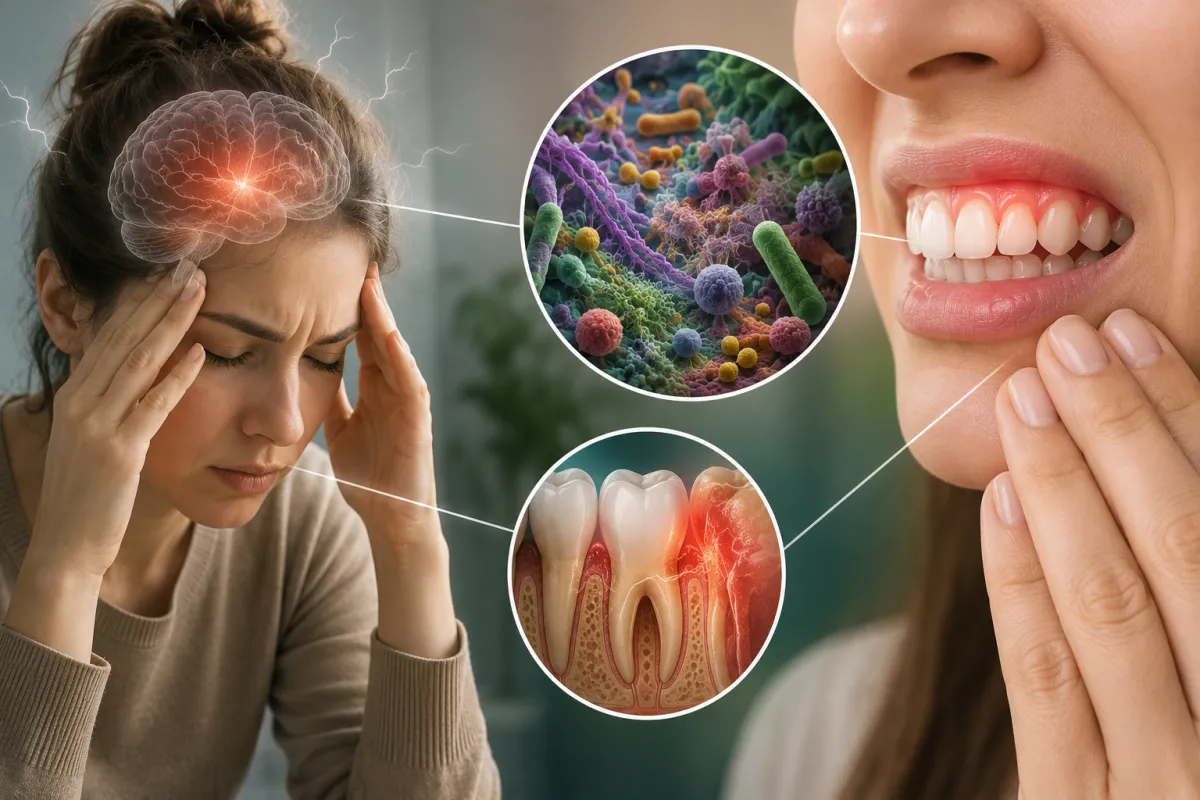
How Stress Affects Your Oral Health: The Microbiome Connection
READ MORE
The Hidden Impact of Stress on Your Mouth
Most people understand that stress affects their mental health, sleep, and energy levels. But few realise that chronic stress has a profound and measurable impact on oral health — and the oral microbiome is at the centre of this connection. When you're stressed, your body undergoes physiological changes that directly alter the microbial environment in your mouth.
How Stress Disrupts Your Oral Microbiome
When you experience stress, your body releases cortisol — the primary stress hormone. Elevated cortisol levels suppress immune function, including the immune defences in your oral cavity. This creates an opportunity for harmful bacteria to proliferate unchecked. Research shows that stressed individuals have higher levels of Porphyromonas gingivalis and Aggregatibacter actinomycetemcomitans — two bacteria strongly associated with periodontal disease.
Dry Mouth and Reduced Saliva Flow
Stress and anxiety commonly cause dry mouth (xerostomia). Saliva is your mouth's primary defence mechanism — it contains antimicrobial proteins (lysozyme, lactoferrin, immunoglobulin A), buffers that neutralise acids, and minerals that help remineralise tooth enamel. When saliva flow decreases, harmful bacteria thrive in the drier, more acidic environment, accelerating tooth decay and gum disease.
Bruxism: Grinding and Clenching
Stress-related teeth grinding (bruxism) affects up to 31% of adults. Beyond wearing down tooth enamel and causing jaw pain, bruxism creates micro-fractures in teeth where bacteria can colonise. The constant pressure on gum tissue also disrupts blood flow, weakening local immune defences and making gums more susceptible to bacterial infection and inflammation.
Stress-Related Behavioural Changes
When stressed, people often adopt habits that further harm their oral microbiome: increased sugar and comfort food consumption, neglecting oral hygiene routines, smoking or increased alcohol intake, and reduced water consumption. These behavioural shifts compound the physiological effects of stress, creating a cycle of declining oral health that can be difficult to break without conscious intervention.
Breaking the Stress-Oral Health Cycle
Managing stress for better oral health involves a multi-faceted approach. Regular physical exercise reduces cortisol levels and promotes healthy saliva flow. Mindfulness practices and adequate sleep support immune function. Staying hydrated throughout the day maintains saliva production. And maintaining your oral hygiene routine — even when stressed — prevents opportunistic bacteria from gaining a foothold.
How Casuarina Dental Can Help
At Casuarina Dental, we take a holistic approach that considers lifestyle factors like stress in our oral health assessments. We can identify early signs of stress-related oral damage, provide custom night guards for bruxism, recommend targeted strategies to support your oral microbiome during high-stress periods, and connect you with resources for stress management. Our preventive approach means we address these issues before they become serious problems.
Key Factors That Influence Your Oral Microbiome
🪥
Oral Hygiene Habits
Brushing technique, flossing frequency, and tongue cleaning all influence which bacteria thrive in your mouth.
🥗
Diet & Nutrition
Sugar feeds harmful bacteria, while fibre-rich foods and probiotics support beneficial microbes.
💧
Hydration & Saliva
Adequate water intake and healthy saliva flow help maintain pH balance and wash away harmful bacteria.
🌱
Lifestyle Factors
Smoking, alcohol consumption, and stress can significantly disrupt your oral microbial ecosystem.
💊
Medications
Certain medications, including antibiotics and antihistamines, can alter the composition of your oral microbiome.
🏥
Regular Dental Visits
Professional cleanings and check-ups help manage biofilm buildup and detect imbalances early.
Frequently Asked Questions
Your Oral Microbiome Questions, Answered
Have questions about Microbiome? We've compiled answers to the most common questions our patients ask. If you don't find what you're looking for, please don't hesitate to reach out.
What exactly is the oral microbiome?
The oral microbiome is the collective community of microorganisms — bacteria, fungi, viruses, and other microbes — that naturally live in your mouth. It includes over 700 different species that colonise various surfaces including your teeth, gums, tongue, and cheeks. A healthy, balanced oral microbiome is essential for protecting against disease, supporting digestion, and maintaining overall oral health.
How does the oral microbiome affect my overall health?
Research increasingly shows that oral health is connected to systemic health. An imbalanced oral microbiome (dysbiosis) has been associated with cardiovascular disease, diabetes, respiratory infections, adverse pregnancy outcomes, and even neurological conditions. The mouth serves as a gateway to the body, and maintaining microbial balance here can have far-reaching health benefits.
What causes oral microbiome imbalance?
Several factors can disrupt your oral microbiome, including poor oral hygiene, a diet high in sugar and processed foods, smoking, excessive alcohol consumption, chronic stress, certain medications (especially antibiotics), dry mouth conditions, and underlying health issues. Environmental factors and genetics also play a role.
How can I improve my oral microbiome naturally?
You can support a healthy oral microbiome by maintaining consistent oral hygiene (brushing twice daily, flossing, tongue cleaning), eating a balanced diet rich in fibre and fermented foods, staying well-hydrated, avoiding tobacco and excessive alcohol, managing stress, and visiting your dentist regularly for professional care and guidance.
What services does Casuarina Dental offer for oral microbiome health?
We offer personalised oral microbiome assessments, preventive care programs, nutritional guidance, education on proper oral hygiene techniques, and ongoing monitoring. Our holistic approach considers your overall health, lifestyle, and individual needs to create a tailored plan for maintaining optimal microbial balance.
How often should I visit the dentist for microbiome-related care?
We generally recommend visits every 6 months for routine check-ups and professional cleaning. However, if you have specific concerns about your oral microbiome or existing conditions like gum disease, we may recommend more frequent visits. During your consultation, we'll create a personalised schedule based on your individual needs.
Is oral microbiome testing available at your clinic?
We offer comprehensive oral health assessments that consider microbial factors. During your consultation, we can discuss the various approaches available for evaluating your oral microbiome health and recommend the most appropriate options based on your symptoms and concerns.
Can children benefit from oral microbiome care?
Absolutely. The oral microbiome begins developing from birth and is influenced by feeding practices, diet, hygiene habits, and environment. Early intervention and education can help establish a healthy microbial foundation that supports lifelong oral health. We welcome families and provide age-appropriate guidance for children.
CONTACT AND VISIT CASUARINA DENTAL
Friendly local care, with your
overall wellbeing in mind
Casuarina Dental is located in a peaceful, easy-to-reach area and welcomes individuals and families with a warm smile, quality care, and a strong focus on prevention.


Curious About your Oral Microbiome?
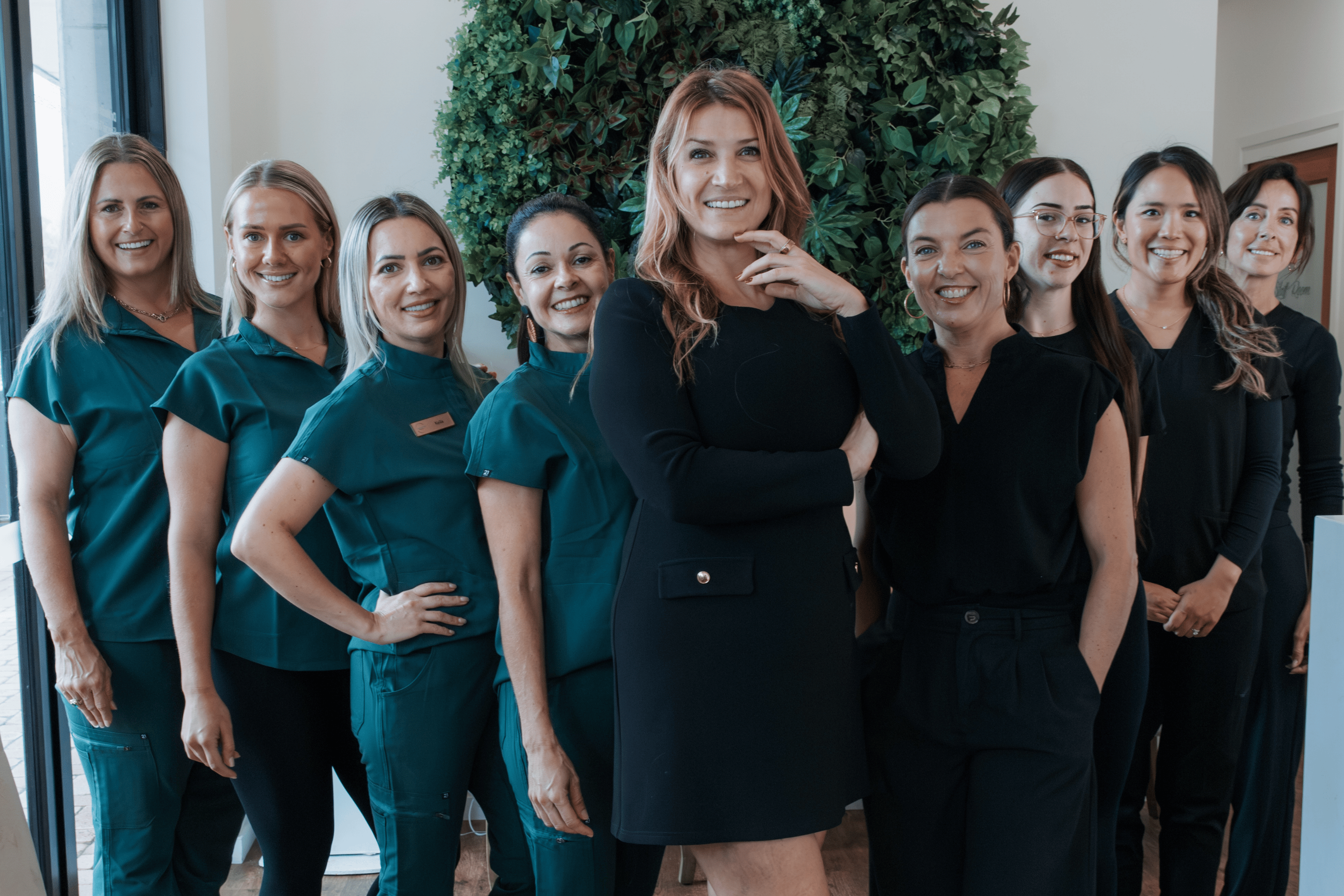
Casuarina Dental has a dedicated team of caring professionals with one shared goal: to support your health and confidence through every smile.
Trading Hours
Monday – Friday: 8:30am – 5:00pm
Saturday: Closed
Sunday: Closed
Casuarina Dental is a dedicated team of caring professionals with one shared goal… To support your health and confidence through every smile.
Trading Hours
Monday – Friday: 8:30am – 5:00pm
Saturday: Closed
Sunday: Closed
Copyright © 2026 Casuarina Dental. All rights reserved.